
"will be lower than"
6000 article(s) found

The history and usage of fine coffee siphon pot
In 1840, a glass test tube in a laboratory triggered the invention of siphon coffee (Syphon). The British took the test tube used in Biya's chemical experiment as a model to create the first vacuum coffee pot. Two years later, Mrs. Bachang of France improved the kettle with a little spring in shape, and the familiar upper and lower convection siphon pot was born. Siphon coffee maker in France
The History and usage of Coffee knowledge siphon Pot
In 1840, a glass test tube in a laboratory triggered the invention of siphon coffee (Syphon). The British took the test tube used in Biya's chemical experiment as a model to create the first vacuum coffee pot. Two years later, Mrs. Bachang of France improved the kettle with a little spring in shape, and the familiar upper and lower convection siphon pot was born. Siphon coffee maker in France
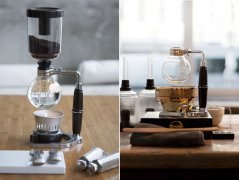
Introduction to the history and usage of siphon kettle
In 1840, a glass test tube in a laboratory triggered the invention of siphon coffee (Syphon). The British took the test tube used in Biya's chemical experiment as a model to create the first vacuum coffee pot. Two years later, Mrs. Bachang of France improved the kettle with a little spring in shape, and the familiar upper and lower convection siphon pot was born. Siphon coffee maker in France
The History and usage of Fine Coffee basic knowledge siphon Pot
In 1840, a glass test tube in a laboratory triggered the invention of siphon coffee (Syphon). The British took the test tube used in Biya's chemical experiment as a model to create the first vacuum coffee pot. Two years later, Mrs. Bachang of France improved the kettle with a little spring in shape, and the familiar upper and lower convection siphon pot was born. Siphon coffee maker in France
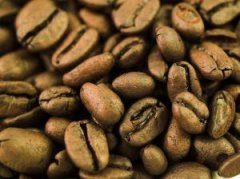
The History and usage of siphon Pot General knowledge of Coffee Pot
In 1840, a glass test tube in a laboratory triggered the invention of siphon coffee (Syphon). The British took the test tube used in Biya's chemical experiment as a model to create the first vacuum coffee pot. Two years later, Mrs. Bachang of France improved the kettle with a little spring in shape, and the familiar upper and lower convection siphon pot was born. Siphon coffee maker in France

A detailed explanation of the history and usage of the siphon kettle
In 1840, a glass test tube in a laboratory triggered the invention of siphon coffee (Syphon). The British took the test tube used in Biya's chemical experiment as a model to create the first vacuum coffee pot. Two years later, Mrs. Bachang of France improved the kettle with a little spring in shape, and the familiar upper and lower convection siphon pot was born. Siphon coffee maker in France

Siphon coffee pot how to use an espresso pot what kind of coffee is suitable for brewing
For more information on coffee beans, please follow the coffee workshop (Wechat official account cafe_style) siphon coffee maker, also known as Saifeng pot (transliterated from siphon or syphon), which originated in Germany. It heats the gas in the pot, increases the pressure, and siphons the water to the upper pot to extract coffee. Siphon pot is a popular coffee brewing method in Japan at present.
Basic knowledge of mocha pot brewing coffee
The picture of the mocha pot shows: the first three mocha pots, the left and middle are the traditional mocha pots, and the right is the compact mocha pots. Comparatively, inside the lid, the condensed mocha kettle has a round condensing valve. The last four are all kinds of traditional mocha pots. Brief description of the parts: figure 1 is the Brikka pressure type, figure 2 is the traditional mocha kettle 1, the lower seat: the place where the water is put, with a pressure relief valve on it. 2. Powder trough

Coffee pot Use common sense mocha pot to make coffee
Mocha pot diagram: the first three mocha pots, left and middle for the traditional mocha pot, right for the pressure type mocha pot. Comparable to the lift-off lid, the pressure accumulation mocha pot has a circular pressure accumulation valve. The back four are all kinds of traditional mocha pots. Description of parts: Figure 1 shows Brikka pressure accumulation type, Figure 2 shows traditional mocha pot 1. Lower seat: water discharge place, with pressure relief valve attached above. 2. Powder tank

Introduction to the steps of siphon pot, siphon pot, coffee grams and coffee brewing
Siphon pot utensils siphon pot coffee grams steps for brewing coffee 1. Stirring stick: it is used to stir the coffee extracted in the upper seat during the cooking process-the purpose is to make the coffee extract evenly, and the method of stirring will be discussed later. two。 Measuring spoon: is used to measure coffee beans, note that coffee beans are not powder, slowly protruding a large spoon is about 10g, flat spoon is about 7G, generally siphon pot with 15g

Characteristics of siphon pot brewing coffee principle and skills of siphon pot brewing coffee
Professional coffee knowledge exchange more coffee bean information please follow the coffee workshop (Wechat official account cafe_style) siphon pot: how does the siphon pot of applied scientific principles work? When the water is heated in the lower seat of the siphon pot, the gas will begin to flow out, and the vacuum in the lower seat will cause the water to move to the upper seat. And when the fire in the lower seat goes out, the air at the bottom

Basic knowledge of brewing coffee in a mocha pot
The picture of the mocha pot shows: the first three mocha pots, the left and middle are the traditional mocha pots, and the right is the compact mocha pots. Comparatively, inside the lid, the condensed mocha kettle has a round condensing valve. The last four are all kinds of traditional mocha pots. Brief description of the parts: figure 1 is the Brikka pressure type, figure 2 is the traditional mocha kettle 1, the lower seat: the place where the water is put, with a pressure relief valve on it. 2. Powder trough

How to operate the siphon pot the physical properties of siphon coffee Japanese siphon death wish
How to operate the siphon pot to siphon the physical properties of coffee may be complicated, but the process is not mysterious. Coffee has nothing to do with your attitude, handmade bamboo sticks or stirring techniques, because no matter what method is used, a good siphon pot can extract a reasonable amount evenly from the whole range of coffee extraction at the right temperature. When the upper pot is tightened and the lower pot is screwed

Does brewing coffee in the mountains affect the flavor of coffee? Are there any parameters that should be paid attention to in making coffee at high altitude?
Coffee brewers know that there are many brewing factors that affect the flavor of coffee: grinding thickness, brewing time, disturbance, water quality, water temperature, and altitude at which time it is brewed. That's right, the altitude when cooking. In fact, most people don't have to worry too much about altitude, but if you are in the producing area on the mountain, you will find that you may have to adjust the cooking parameters, why? Because
Siphon pot coffee making tutorial diagram siphon coffee mixing method time grindability parameters
From now on, the siphon pot is a coffee utensil with a strong sense of age. at present, many coffee shops no longer make siphon coffee or as a characteristic, non-main product. Of course, as a siphon coffee fan, just do it if you don't have it outside. This article on Qianjie shares siphon coffee in as simple language as possible. -Rainbow
History and usage of siphon pot
The history and usage of siphon coffee (plug-in brewing method) in 1840, a glass test tube in the laboratory triggered the invention of the siphon coffee maker (Syphon). The British took Biya's test tube for chemical experiments as the model to create the first vacuum coffee pot. Two years later, Mrs. Bachang of France improved this pot with a bit of spring shape, which is familiar to everyone.

How to maintain the standard of high quality coffee produced by coffee utensils and coffee processing factories
How to operate the siphon pot to siphon the physical properties of coffee may be complicated, but the process is not mysterious. Coffee has nothing to do with your attitude, handmade bamboo sticks or stirring techniques, because no matter what method is used, a good siphon pot can extract a reasonable amount evenly from the whole range of coffee extraction at the right temperature. When the upper pot is tightened and the lower pot is screwed

How does the siphon pot work _ how to use the siphon pot coffee _ what coffee beans are suitable for the siphon pot
Professional coffee knowledge exchange more coffee bean information Please pay attention to the working principle of the siphon pot in the coffee workshop (Wechat official account cafe_style) the main principle of siphon pot coffee extraction is achieved through the pressure difference, first heat the lower cup of water to boiling, and then insert the upper cup, making the lower cup vacuum, due to the pressure difference between the lower cup and the upper cup, the hot water upstream and the upper cup of coffee
History and usage of siphon pot
The history and usage of siphon coffee (plug-in brewing method) in 1840, a glass test tube in the laboratory triggered the invention of the siphon coffee maker (Syphon). The British took Biya's test tube for chemical experiments as the model to create the first vacuum coffee pot. Two years later, Mrs. Bachang of France improved this pot with a bit of spring shape, which is familiar to everyone.